Lightning Cables: The Ultimate Guide to Compatibility and Performance
When it comes to choosing the right Lightning cable for your Apple devices, understanding compatibility and performance is essential. Here’s what you need to know:
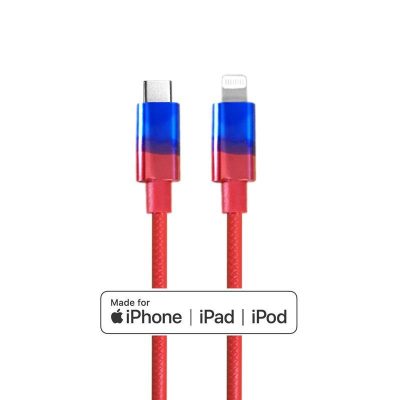
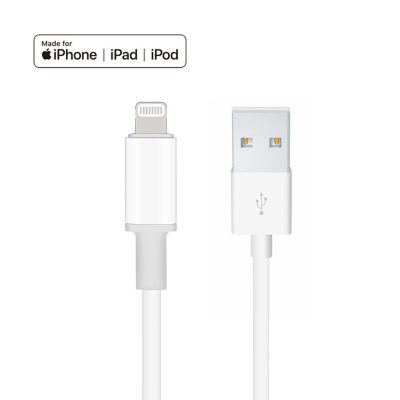
1. MFi Certification
- What It Means: MFi (Made for iPhone/iPad) certification ensures that the cable meets Apple’s performance and quality standards.
- Why It Matters: MFi-certified cables are guaranteed to work with your Apple devices, providing reliable charging and data transfer without compatibility issues.
2. Compatibility with Devices
- Device Range: Lightning cables are compatible with a wide range of Apple devices, including iPhones, iPads, iPods, and some Apple accessories.
- Check Specifications: Always check the compatibility specifications of the cable to ensure it supports your specific device model.
3. Charging Performance
- Fast Charging Support: Look for cables that support fast charging protocols, such as USB Power Delivery (PD), to maximize charging speed.
- Power Delivery: Ensure the cable can handle the required power output, especially for larger devices like iPads that need more power.
4. Data Transfer Speed
- USB Standards: Lightning cables come in different USB standards (USB 2.0, USB 3.0), affecting data transfer speeds. USB 3.0 offers faster data transfer rates.
- Syncing Efficiency: High-quality cables ensure quick and reliable syncing of data between your device and computer.
5. Build Quality and Durability
- Material Quality: Premium materials like braided nylon or reinforced connectors enhance durability and longevity.
- Strain Relief: Cables with strain relief at the connectors can withstand more bending and twisting, reducing the risk of breakage.
Conclusion
Choosing the right Lightning cable involves considering MFi certification, device compatibility, charging performance, data transfer speed, and build quality. Investing in a high-quality, certified cable ensures reliable performance, safety, and longevity for your Apple devices, enhancing your overall user experience.